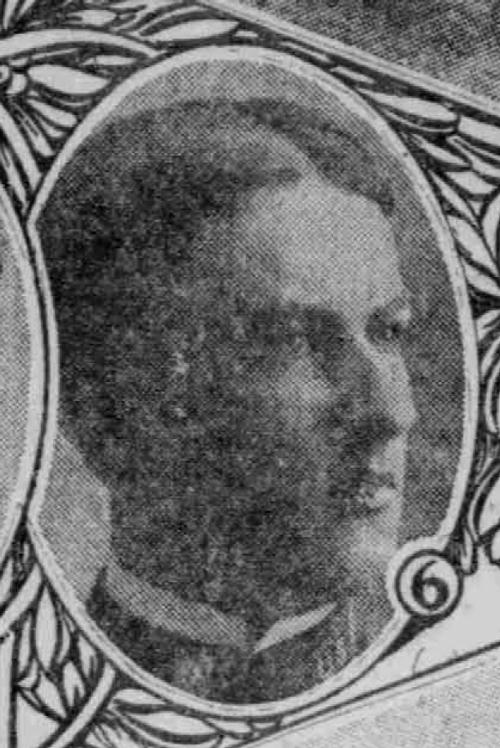
The 1954 Ute Partition and Termination Act ended federal recognition of the mixed-blood Uinta of the Uintah and Ouray Reservation, removing them from the Ute Indian Tribe. Classified as being of mixed ancestry, they lost trust land protections, federal benefits, and tribal status. Like many Native communities subjected to termination policies, they faced devastating consequences, including the loss of land, resources, and traditional ways of life.
Search This Blog
Indian Agents Demand Assimiliation | 1874 to 1906
Early years: What federal Indian agents reported 1874 to 1906
These excerpts from reports filed by Indian agents describe how the Utah boarding schools worked year by year to assimilate children.
They also document decades of resistance by Ute families and students who frustrated that goal — from refusing to enroll students, to running away, to continuing to speak their own language, to maintaining their bonds and traditions.
Many of the reports contain racist language and stereotypes.
In the school excerpts, we’ve included superintendents’ reports when they were available and additional reporting.
1870s — A day school struggles
Indian Agent J.J. (John James) Critchlow was the first Uintah Valley agent to attempt opening a school for the Utes, starting with a day school in 1874. It would open and close, for lack of funds and interest, as Critchlow argued unsuccessfully for the funds to open a boarding school.
1878: “I sincerely hope … that greater facilities may be afforded for their moral training.” School excerpts | Full report scan
1879: “... Best results can only be secured by a boarding industrial school, where the children … can be separated from their families.” School excerpts | Full report scan
1880s — Uintah Boarding School opens
Agent J. J. Critchlow succeeded in convincing the Presbyterian Board of Missions to open and run a boarding-school on the Uintah Valley reservation — but the church’s involvement would be short-lived. The new school opened in January 1881, and by 1883, the federal government had taken over. This decade saw a more rapid turnover of agents after Critchlow’s departure in 1883.
1882: “I am somewhat at a loss to know … whether to call it a success or a failure.” This was Critchlow’s last year as agent. School excerpts | Full report scan
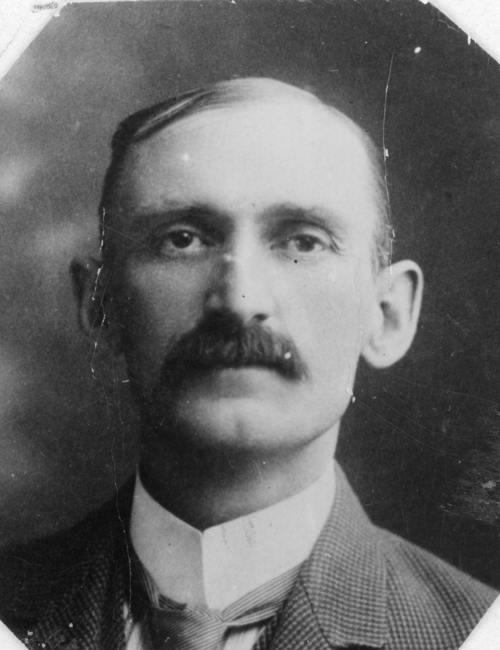
Agent Elisha W. Davis
1883: “Much prejudice exists … against the children attending school.” Elisha W. Davis, new Indian agent School excerpts | Full report scan
1886: The Utes’ “wishes in this respect should not be consulted.” Eugene E. White, special agent temporarily in charge, brought a harsher outlook. School excerpts | Full report scan
1887: “More room and better buildings are needed.” New Indian Agent T.A. (Timothy) Byrnes School excerpts | Full report scan
1888: “The building is in a very dilapidated condition; in fact it is scarcely habitable.” With: Superintendent Fannie A. Weeks: “Forty-four pupils were crowded into it, although its capacity is for only twenty-five.” School excerpts | Full report scan
1889: “The building is a miserable dilapidated structure.” This is Byrnes’ last year as agent. School excerpts | Full report scan
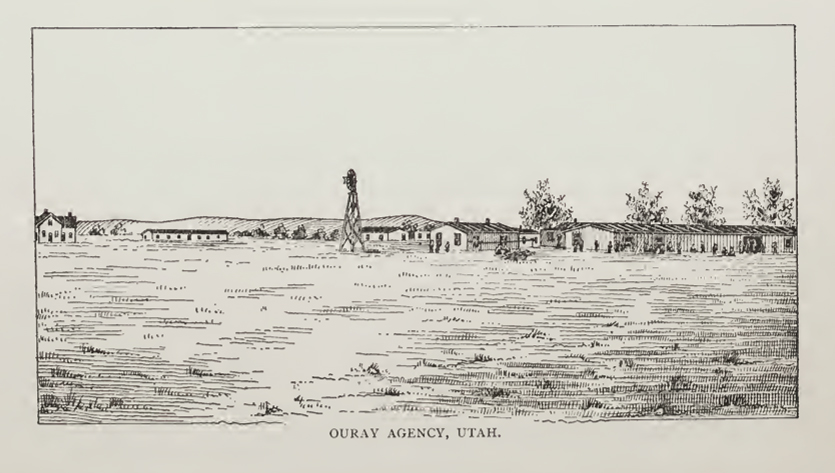
Sketches from “Experiences of a Special Indian Agent,” written by E.E. White in 1893 about his work at reservations across the country, including at the Uintah and Ouray Indian Reservation.
1890s — Ouray Boarding School opens
Efforts to get Ute children into school intensified this decade, as new buildings were added at the Uintah school in Whiterocks and a second boarding school opened for the Uncompahgre band. But parents continued to resist sending their children.
1890: Staff “labor under great difficulties” with “dilapidated” Uintah school building. New Indian Agent Robert Waugh School excerpts | Full report scan
1892: “It remains to be seen how well this [Ouray] school will be sustained with children.” School excerpts | Full report scan
1893: “The Ute has much yet to learn in his estimate of schools.” This was the year the Ouray Boarding School opened, and was Robert Waugh’s last year as agent. School excerpts | Full report scan
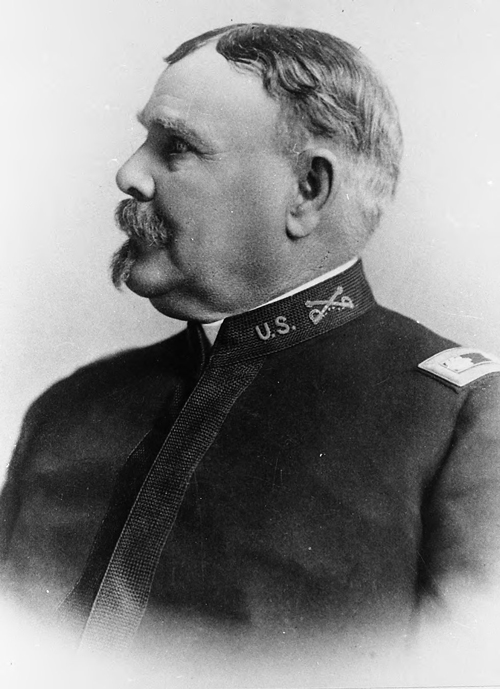
Agent James F. Randlett
1894: “They are slow to appreciate school privileges that have been provided for them.” New Indian Agent Major James F. Randlett School excerpts | Full report scan
1896: Children “visit their homes only during vacation … Runaways have been promptly returned.” School excerpts | Full report scan
1897: “Even the smallest girls were required to do such work as they could.” This was James F. Randlett’s last year as agent. School excerpts | Full report scan
1898: “Some of the parents object to their children doing any work unless they receive pay.” James F. Randlett had been succeeded in July 1897 by another Army captain, who was quickly replaced in turn by U.S. Army Captain George A. Cornish. School excerpts | Full report scan
1899: School attendance “is still far from satisfactory.” H.P. Myton took over as the new Indian agent in October 1898. School excerpts | Full report scan
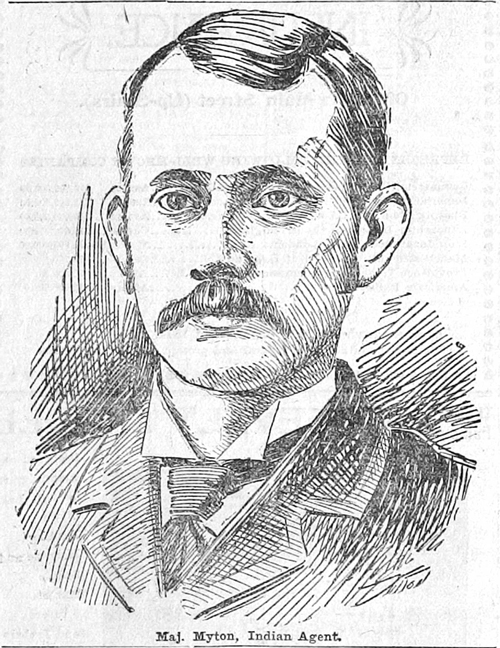
Agent H.P. Myton
1900s —
The Ouray school at Randlett was abandoned this decade, with all Utes encouraged to send their children to Whiterocks. A few were sent to boarding schools in other states, including the flagship Carlisle Indian Industrial School in Pennsylvania.
1902: “It is very difficult to keep them from talking their own language.” This is Myton’s last year as agent. School excerpts | Full report scan
1903: New agent’s complaint: “the unsubdued attitude of the Utes.” Capt. W.A. Mercer took over as the new agent. School excerpts | Full report scan
1904: “It is a very difficult task to get these children in school.” Another new Indian agent, C. G. Hall, took over in July 1904. School excerpts | Full report scan
This was the last year the federal government published the individual reports from agents and school superintendents; for the next two two decades and more, national reports would include only statistics from individual schools, with occasional changes in the data collected.
PDF DOWNLOAD AUDIO BOOK The Dispossessed: Cultural Genocide of the Mixed-Blood Utes, an Advocate's Chronicle. In this disturbing and provocative study, Salt Lake City attorney Parker M. Nielson chronicles the termination of the mixed-blood Utes from the Northern Ute Indian Tribe. He outlines how the termination process, initiated by Utah Senator Arthur V. Watkins, was visited on the Utes in a singular action by the U.S Congress and the Bureau of Indian Affairs, the only partial termination of any tribe in the nation. Termination for the mixedbloods meant loss of both tribal membership and any further claims upon the Bureau of Indian Affairs, similar to the impact of the termination policy upon other tribes in the 1950s. But for the mixed-blood terminated the losses went much further than being cut off from government assistance. Nielson, with first-hand information gained as legal representative for the terminated Utes, details how the separation of the terminees from tribal member...
Termination's Legacy: The Discarded Indians of Utah [PDF DOWNLOAD] Termination's Legacy: The Discarded Indians of Utah [AUDIO BOOK] Termination's Legacy describes how the federal policy of termination irrevocably affected the lives of a group of mixed-blood Ute Indians who made their home on the Uintah-Ouray Reservation in Utah. Following World War II many Native American communities were strongly encouraged to terminate their status as wards of the federal government and develop greater economic and political power for themselves. During this era, the rights of many Native communities came under siege, and the tribal status of some was terminated. Most of the terminated communities eventually regained tribal status and federal recognition in subsequent decades. But not all did. The mixed-blood Utes fell outside the formal categories of classification by the federal government, they did not meet the essentialist expectations of some officials of the Mormon Church, and th...